The landscape of dental restoration has undergone remarkable transformation over the past few years, with dental implant technology leading the charge into a new era of oral healthcare. As we navigate through 2026, patients seeking solutions for missing teeth are discovering that a tooth implant offers unprecedented benefits over traditional alternatives like dentures or bridges.
Modern dental practices are embracing cutting-edge implant techniques that deliver faster healing times, improved success rates, and more natural-looking results than ever before. For individuals searching for an “implant dentist near me,” understanding these advances can make the difference between a good outcome and an exceptional one.
The Science Behind Modern Dental Implant Success
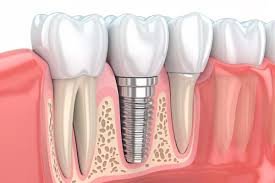
Today’s dental implant procedures benefit from decades of research and technological refinement. The titanium posts used in implants undergo a process called osseointegration, where the jawbone actually fuses with the implant surface over time. This biological bonding creates a foundation that’s often stronger than natural tooth roots.
Recent studies from 2026 show that dental implant success rates have reached an impressive 98% when performed by experienced professionals. This remarkable achievement stems from improvements in implant surface technology, better patient selection criteria, and advanced surgical planning techniques.
The materials used in modern implants have also evolved significantly. Titanium alloys now feature specialized surface treatments that encourage faster bone integration, while zirconia implants offer metal-free alternatives for patients with specific medical considerations or aesthetic preferences.
How Digital Technology Enhances Tooth Implant Placement
One of the most significant advances in implant dentistry is the integration of digital planning and guided surgery. Contemporary practices utilize 3D cone beam CT scans to create detailed maps of a patient’s jawbone structure, allowing for precise implant placement before the surgery even begins.
Computer-guided implant surgery has become the gold standard in 2026, enabling dentists to place implants with millimeter-level accuracy. This precision reduces surgery time, minimizes tissue trauma, and often allows for immediate loading of temporary crowns in appropriate cases.
Virtual treatment planning software also helps patients visualize their final results before treatment begins. This technology allows for better communication between doctor and patient, leading to more predictable outcomes and higher satisfaction rates.
Finding the Right Implant Dentist Near Me: Key Considerations
Selecting the right dental professional for implant treatment requires careful evaluation of several important factors. The most successful implant outcomes occur when patients choose practitioners with extensive training, modern equipment, and a proven track record of results.
When evaluating potential providers, consider these essential qualifications:
- Board certification or advanced training in implant dentistry
- Access to modern 3D imaging and guided surgery technology
- Comprehensive treatment planning that addresses both function and aesthetics
- Clear communication about treatment timelines and expectations
- Ongoing education in the latest implant techniques and materials
Experience with complex cases is another crucial factor. Dentists who regularly handle challenging situations like bone grafting, sinus lifts, and full-mouth reconstruction typically develop the expertise needed to manage unexpected complications should they arise.
The Long-Term Value of Modern Dental Implant Investment
While the initial cost of a dental implant may seem substantial, the long-term value proposition becomes clear when compared to alternative treatments. Traditional bridges require replacement every 10-15 years, while properly maintained implants can last several decades or even a lifetime.
Beyond durability, implants preserve jawbone structure in ways that removable dentures simply cannot match. When teeth are lost, the surrounding bone begins to deteriorate without the stimulation provided by tooth roots. Implants halt this process, maintaining facial structure and preventing the sunken appearance that often develops with traditional dentures.
The functional benefits of implants also contribute to overall health and quality of life. Patients report improved chewing efficiency, better nutrition, increased confidence in social situations, and elimination of the daily maintenance routines required with removable appliances.
Advanced Techniques Transforming Patient Experiences
The patient experience surrounding implant treatment has improved dramatically in recent years. Same-day implant procedures, when appropriate, allow qualified candidates to receive their implant and temporary crown in a single appointment, dramatically reducing treatment time.
Minimally invasive techniques have also reduced post-operative discomfort significantly. Many patients report that their implant surgery was far more comfortable than they anticipated, with some returning to normal activities within 24-48 hours.
Sedation options continue to expand, making treatment accessible even for patients with dental anxiety. From nitrous oxide to IV sedation, modern practices can customize comfort levels to meet individual needs and preferences.
For those considering tooth implant treatment, working with experienced professionals like Lernor Family Dental ensures access to these advanced techniques and technologies. Their comprehensive approach combines state-of-the-art equipment with personalized care to deliver optimal results for patients throughout the Scottsdale and Phoenix areas.
As dental implant technology continues advancing into 2026 and beyond, patients can feel confident that choosing implant treatment represents an investment in long-term oral health and quality of life. The combination of improved materials, digital precision, and refined techniques has made dental implants the preferred solution for tooth replacement in modern dentistry.