Introduction
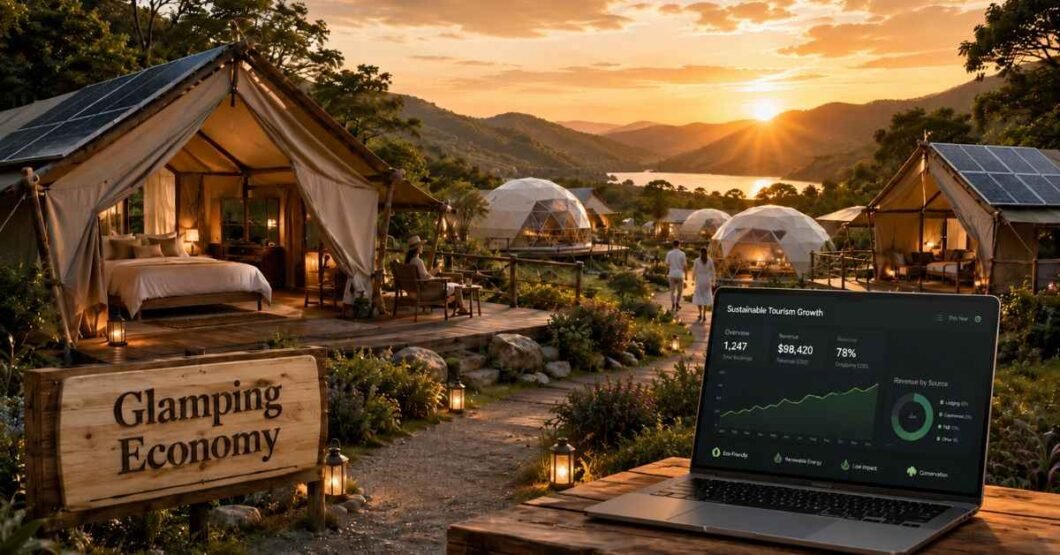
The glamping economy has emerged as one of the most dynamic segments within the global travel and hospitality industry. As travelers increasingly prioritize immersive experiences, sustainability, and personalized comfort, traditional hotels are no longer the only option. Glamping short for glamorous camping offers a hybrid solution that combines outdoor adventure with high-end amenities, reshaping how modern tourists define luxury.
From safari tents in Kenya to eco-domes in Canada and treehouse resorts in Southeast Asia, glamping has evolved into a multibillion-dollar global market. Its rapid expansion is fueled by shifting consumer values, post-pandemic travel behaviors, and the rise of remote work culture. Investors, landowners, and hospitality brands are paying close attention to this transformation.
This article explores the glamping economy in depth, its growth drivers, revenue models, sustainability impact, financial outlook, regional trends, and future trajectory. Whether you’re an entrepreneur, investor, tourism strategist, or hospitality professional, this guide offers practical insights into one of the fastest-growing sectors in luxury outdoor travel.
What Is the Glamping Economy?
The business ecology centered on opulent camping experiences is known as the “glamping economy.” It includes accommodation providers, equipment manufacturers, landowners, booking platforms, eco-tourism operators, and technology providers.
At its core, glamping blends the following:
- Outdoor nature-based experiences
- Luxury amenities (beds, bathrooms, climate control)
- Sustainable design principles
- Boutique hospitality services
Key Characteristics
- Fully furnished tents, domes, treehouses, cabins, and eco-pods
- Private bathrooms and premium bedding
- Renewable energy usage (solar panels, composting toilets)
- Personalized guest experiences
- Remote and scenic locations
Unlike traditional camping, glamping eliminates inconvenience while preserving immersion in nature. This hybrid hospitality model attracts millennials, digital nomads, families, and high-income travelers.
Market Size Overview
According to industry reports from sources such as Grand View Research and Allied Market Research, the global glamping market is projected to exceed $5 billion by the late 2020s, growing at a compound annual growth rate (CAGR) of over 10%.
The glamping economy is no longer a trend, it is a structural shift in how people define luxury travel.
Growth Drivers Behind the Glamping Economy
The rapid expansion of the glamping economy is fueled by several powerful macro and consumer trends.
Experience-Driven Travel
Modern travelers prioritize experiences over possessions. Glamping offers:
- Unique stays in scenic environments
- Instagram-worthy accommodations
- Cultural immersion opportunities
- Personalized itineraries
Sustainability and Eco-Tourism
Consumers increasingly prefer environmentally responsible travel options.
- Lower environmental footprint than large hotels
- Use of renewable materials and off-grid systems
- Support for local communities
Post-Pandemic Travel Behavior
COVID-19 reshaped tourism preferences:
- Demand for socially distanced accommodations
- Preference for private units over crowded hotels
- Rise in domestic and rural tourism
Remote Work & Digital Nomads
The remote work revolution expanded location-independent travel.
- Extended stays in natural settings
- Wi-Fi-enabled glamping units
- “Workation” packages
Lower Entry Barriers Compared to Hotels
Launching a glamping site requires:
- Less capital than a luxury resort
- Faster development timelines
- Flexible scaling models
These drivers collectively position the glamping economy as a resilient and adaptable segment within global hospitality.
Business Models in the Glamping Economy
The glamping economy supports a diverse range of business structures, making it attractive to different types of investors and operators. Unlike conventional hospitality, glamping businesses can scale modularly, expanding unit by unit.
One common model is the independent boutique glamping resort. These properties typically operate between five and fifty units and emphasize curated guest experiences. They may include on-site dining, guided tours, and wellness services.
Another growing model involves partnerships between landowners and hospitality operators. In this arrangement, landowners provide property access while operators handle development and marketing, often sharing revenue.
Other prevalent structures
- Franchise-based glamping brands offering standardized concepts
- Pop-up or seasonal luxury camps
- Hybrid models integrated within existing resorts
- Asset-light management agreements
Glamping vs. Traditional Hotel Investment
| Feature | Glamping Site | Traditional Hotel |
| Initial Investment | Moderate | High |
| Construction Timeline | Shorter | Longer |
| Location Flexibility | High | Limited |
| Sustainability Integration | Easier | Complex |
| Guest Experience | Experiential | Standardized |
These flexible business models explain why the glamping economy attracts entrepreneurs seeking innovation with manageable risk.
Consumer Demographics and Market Segmentation
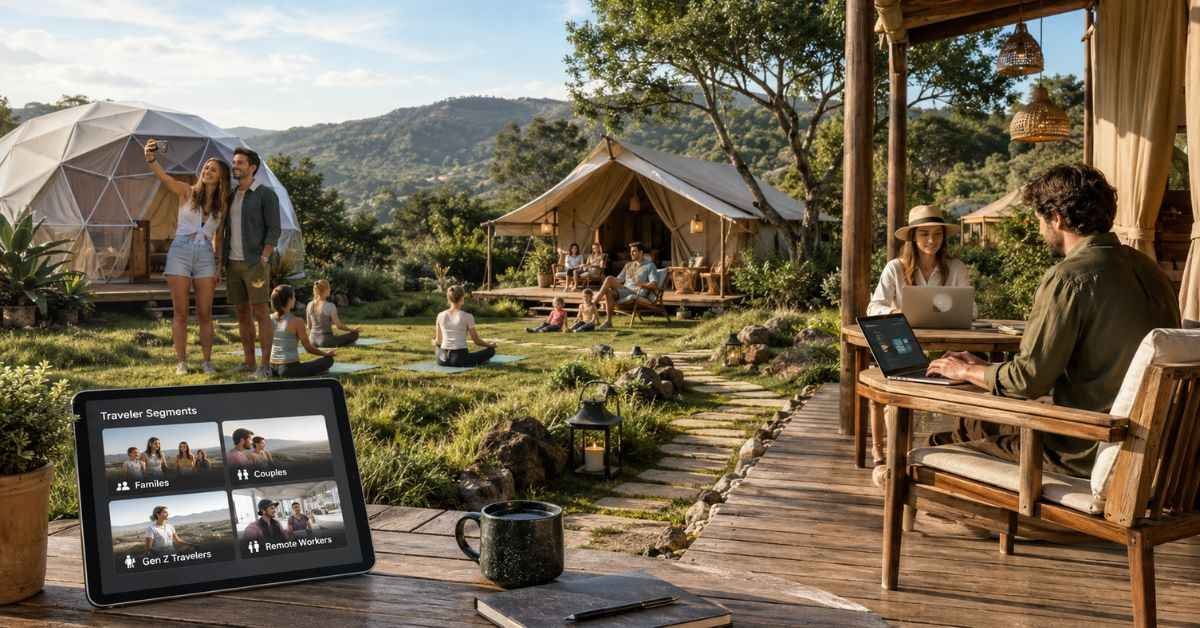
Understanding the target audience is essential for success in the glamping economy. Research indicates that millennials and Gen Z travelers represent a significant portion of demand. These generations value authenticity, sustainability, and Instagram-worthy environments.
Families also form a growing segment, particularly those seeking safe outdoor vacations that balance comfort and adventure. Couples frequently book glamping stays for romantic getaways, while wellness-focused travelers are drawn to nature retreats.
Typical customer motivations
- Unique accommodation experiences
- Connection with nature
- Eco-conscious travel
- Wellness and digital detox
- Adventure-based tourism
Interestingly, glamping guests often demonstrate higher per-night spending compared to mid-range hotel guests. They are also more likely to purchase add-on services such as guided hikes, local tours, or curated dining experiences.
By segmenting audiences and tailoring experiences accordingly, operators can improve occupancy rates and customer loyalty within the competitive glamping economy.
Sustainability and Environmental Impact
A key component of the glamping economy’s character is sustainability. Many properties are intentionally designed to minimize environmental disruption while enhancing guest awareness of conservation efforts.
Eco-conscious operators often implement renewable energy systems, water conservation techniques, and biodegradable materials. Unlike large hotels that require significant land alteration, glamping structures are typically modular and low-impact.
Common sustainability practices
- Solar-powered energy systems
- Composting toilets
- Rainwater harvesting
- Locally sourced construction materials
Case Study: Eco-Glamping in Costa Rica
A mid-sized eco-glamping resort in Costa Rica adopted solar energy and community-based staffing programs. Within three years, it reduced operational energy costs by approximately 30% and improved occupancy through eco-tourism marketing partnerships.
By combining environmental responsibility with premium hospitality, this case demonstrates how the glamping economy can generate both profit and positive ecological impact.
Investment Potential and Financial Outlook
From a financial perspective, the glamping economy offers compelling returns compared to traditional hospitality models. Startup costs are generally lower due to simplified construction and infrastructure requirements.
Cost & Revenue Comparison
| Metric | 10-Unit Glamping Site | 10-Room Boutique Hotel |
| Setup Cost | $300K–$700K | $1M+ |
| Avg. Nightly Rate | $150–$400 | $120–$300 |
| Break-even Period | 2–4 Years | 4–7 Years |
Premium pricing is achievable because guests pay for experience, privacy, and exclusivity rather than just room space. Upselling curated experiences further enhances revenue.
Strategic pricing models, strong digital marketing, and direct booking incentives significantly influence profitability. As demand for nature-based tourism grows, investor interest in the glamping economy is expected to rise.
Technology’s Role in the Glamping Economy
Technology enhances operational efficiency and guest satisfaction within the glamping economy. Modern properties use cloud-based booking systems, automated revenue management tools, and digital guest communication platforms.
Smart technology integration allows climate control systems, lighting, and security features to be managed remotely. Contactless check-in systems have also become standard since the pandemic.
Key technological enablers
- Online travel agency integration
- SEO-driven digital marketing strategies
- Virtual property tours
- Data analytics for demand forecasting
These tools help independent operators compete with established hotel chains while maintaining personalized service.
Regional Trends and Global Expansion
The glamping economy demonstrates regional variations based on cultural preferences and tourism infrastructure.
North America remains one of the largest markets, driven by national park tourism and domestic travel trends. Europe emphasizes sustainability and farm-based glamping experiences. Asia-Pacific shows rapid expansion supported by a growing middle class and resort-style developments.
Africa continues to attract luxury safari glamping tourists seeking immersive wildlife experiences. Meanwhile, emerging markets in Latin America are integrating ecotourism with community-based development.
As international tourism rebounds, cross-border investment in glamping projects is likely to increase, reinforcing global market expansion.
Challenges Facing the Glamping Economy
Despite strong growth, the glamping economy faces notable challenges. Regulatory hurdles, including zoning restrictions and environmental compliance requirements, can delay project development.
Seasonality also affects occupancy rates in certain regions. Properties located in extreme climates may experience fluctuations in revenue across the year.
Operational complexities may include
- Remote supply logistics
- Staffing shortages in rural areas
- Maintenance challenges in outdoor environments
Strategic planning, diversification of services, and weather-adaptive infrastructure help mitigate these risks.
Future Outlook of the Glamping Economy
The future of the glamping economy appears highly promising. As sustainability becomes a global priority, nature-based luxury travel aligns perfectly with consumer expectations.
Emerging trends include wellness-focused retreats, regenerative tourism initiatives, and AI-driven personalization in guest services. Some developers are even exploring carbon-neutral glamping villages.
The integration of glamping within broader hospitality portfolios suggests that this sector will become a permanent component of modern tourism infrastructure.
As travelers continue to redefine luxury around experience, authenticity, and environmental responsibility, the glamping economy is poised for sustained global expansion.
FAQs
Is the glamping economy growing globally?
Yes. Industry reports project steady double-digit growth driven by ecotourism and experiential travel demand.
What makes glamping profitable?
Lower infrastructure costs, premium pricing, and upselling experiences contribute to strong margins.
Who invests in glamping projects?
Private entrepreneurs, hospitality brands, landowners, and tourism development agencies are key investors.
Is glamping environmentally sustainable?
When designed responsibly, it typically has a lower environmental footprint than traditional hotels.
What is the future of luxury travel?
Experiential, sustainable, and personalized stays core elements of the glamping economy are expected to dominate.
Conclusion
The glamping economy represents a transformative shift in global tourism. By merging luxury, sustainability, and immersive outdoor experiences, it addresses modern travelers’ evolving expectations. Its flexible business models, strong ROI potential, and eco-conscious appeal make it attractive to entrepreneurs and investors alike.
While challenges such as regulation and seasonality require strategic management, the sector’s resilience and innovation suggest long-term stability. As sustainability and experiential travel continue shaping global tourism, the glamping economy is positioned not just to grow but to redefine the future of luxury hospitality.
For industry professionals and forward-thinking investors, now is the time to explore opportunities within this expanding and influential market.