Introduction
That warm, maple-like smell from your spice jar isn’t just pleasant, it’s often the reason people reach for Foenegriek (fenugreek) when the body (or the barn) needs a little extra support. Maybe meals leave you feeling heavy or bloated, you’re trying to keep digestion regular without harsh laxatives, or you want a comforting herbal drink during a scratchy-throat season. New parents also ask about it as a traditional galactagogue, while horse owners use it to tempt picky eaters and encourage a healthier-looking, shinier coat.
But “natural” doesn’t automatically mean simple. Dosage, preparation, and product quality can change the experience from helpful to uncomfortable and certain medications and conditions require extra caution.
In this guide you’ll learn what foenegriek is, what the best evidence and traditional use suggest, how to take it (tea, seeds, powder, or capsules), and how to use it responsibly for both people and animals. You’ll also find practical tips to reduce bitterness, avoid common mistakes like starting too high, and know when it’s smarter to check in with a clinician or veterinarian.
What is Foenegriek, and why does it smell like maple?
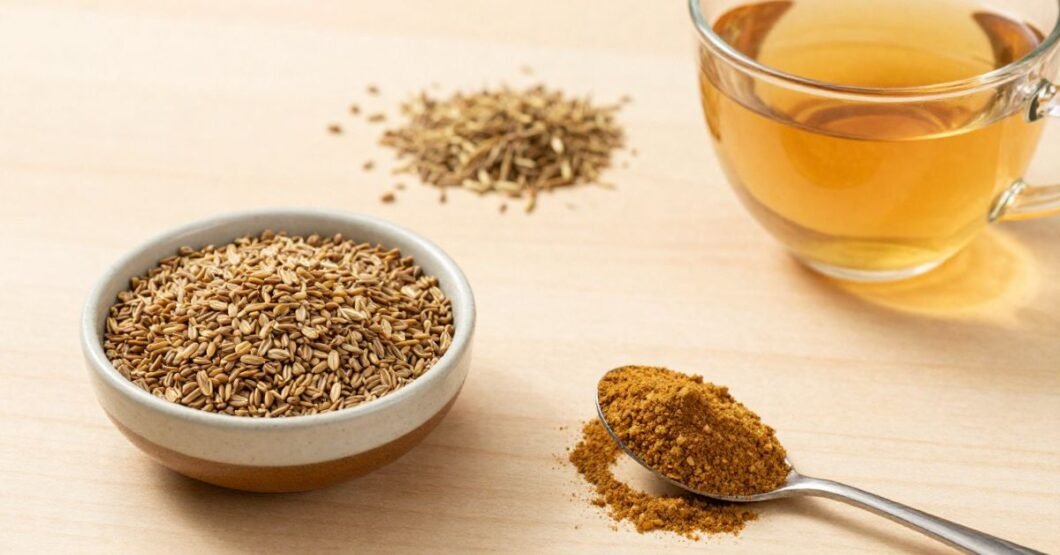
Foenegriek (fenugreek) is the seed of Trigonella foenum-graecum, a plant in the legume family. The seeds are the main “working” part used in food, tea, and supplements.
That signature sweet, caramel-maple note comes largely from aroma compounds such as sotolon, which is also found in maple syrup and certain aged foods. Heat (toasting) and grinding bring the scent out more strongly.
You’ll commonly find it in:
- Indian, Middle Eastern, and North African cooking (spice blends, breads, lentils)
- Herbal teas and syrups
- Supplements marketed for digestion or breast milk support
- Animal feed add-ons (especially for horses) to improve palatability and coat condition
What makes this herb “functional” beyond flavor?
The seeds contain:
- Soluble fiber (notably galactomannans), which can form a gentle gel in water
- Saponins and other plant compounds studied for metabolic and digestive effects
- Aromatic compounds that make it unusually “appetite-friendly” in both people and animals
Below is a nutrition snapshot that helps explain why the seed behaves differently from many “light” culinary herbs.
| Nutrient (per 100 g) | Approx. amount* | Why it matters in real life |
| Calories | ~323 kcal | Dense seed; a little goes a long way |
| Protein | ~23 g | Useful in food; also relevant in feed mixes |
| Fat | ~6 g | Carries aroma and flavor compounds |
| Carbohydrate | ~58 g | Includes a substantial fiber fraction |
| Dietary fiber | ~25 g | Key for digestive regularity and fullness |
| Iron | ~33 mg | High per 100 g (but typical servings are much smaller) |
Source: USDA FoodData Central (Foenegriek seeds). Values vary by origin and processing.
How can Foenegriek support digestion (bloating, heaviness, and regularity)?
People most often try it for:
- post-meal heaviness
- mild bloating or gas
- irregular stools when fiber intake is low
Why it may help: the soluble fiber in the seeds absorbs water and becomes gel-like. That can support smoother transit and more stable satiety. It’s not a “quick fix”, it’s more like adding a functional fiber tool that also tastes like a spice.
A practical way to try it (gentle start)
- Lightly crush 1 teaspoon of seeds (mortar/pestle).
- Pour hot water over them (not aggressively boiling).
- Steep for 10–15 minutes, strain, and drink after a meal.
- Start once daily for 3–5 days, then reassess.
Real-life insight: if you jump from almost no added fiber to multiple teaspoons per day, you may feel more gas initially. Starting low is often the difference between “this works” and “this is too much.”
Can Foenegriek actually help with breastfeeding supply?

This is one of the most searched uses of foenegriek, and it’s also the one where expectations need to be realistic.
What the evidence suggests
Clinical research on foenegriek for lactation includes small trials and reviews with mixed outcomes; some show increased milk volume or early postpartum support, while others find limited or inconsistent effects. Differences in dosing, product quality, and study design make it hard to give a one-size-fits-all conclusion.
What many competitors miss: in real-world breastfeeding support, herbs rarely outperform fundamentals. If latch, frequency, and milk removal aren’t optimized, herbs tend to disappoint.
A measurable, responsible approach
If you want to trial it:
- Pick one form (tea or capsules or food-based seeds).
- Keep a simple 4-day log: feeding/expressing frequency, hydration, sleep, breast comfort, and output (if pumping).
- Adjust only one variable at a time (don’t start three supplements and a new pump schedule at once).
When to talk to a professional first: diabetes or blood sugar issues, thyroid conditions, anticoagulants, a history of allergies to legumes, or if your baby has special medical needs. A lactation consultant can help you identify whether supply is truly low versus transfer or scheduling challenges.
Does Foenegriek help respiratory comfort (cough, mucus, throat)?
Traditionally, Foenegriek seed preparations are used in warm liquids for throat and chest comfort especially when dryness, irritation, or thick mucus makes you feel “stuck.”
Why people like it: when simmered, the seeds create a slightly soothing, coating texture in the liquid. Many users find that comforting at night.
Simple simmer method
- Add 1 teaspoon of seeds to a small pot with water.
- Simmer gently for 10 minutes.
- Strain; add honey if desired (never for children under 1 year).
Important safety note: persistent shortness of breath, fever, wheezing, chest pain, or symptoms lasting more than ~2–3 weeks warrant medical evaluation.
How do you use Foenegriek in food without bitterness?
If you’ve tried it and thought, “This is too bitter,” you’re not alone. The key is technique.
Flavor tactics that work
- Toast the seeds for 30–60 seconds in a dry pan until fragrant.
- Grind only what you need (freshly ground tastes rounder).
- Use tiny amounts in blends with cumin, coriander, garlic, or chili.
- Let it cook in soups/stews rather than adding raw powder at the end.
Quick “starter” recipe (beginner-friendly)
Mix:
- 150 g plain yogurt
- ¼ teaspoon toasted, ground seed
- pinch of salt + lemon juice
- optional cumin and black pepper
This gives you the aroma without overwhelming bitterness.
Is Foenegriek useful for animals (shiny coat, appetite, digestion)?
In animal care, foenegriek is especially popular with horses and sometimes used (more cautiously) for dogs.
Where it fits best
- Picky eaters: the aroma can improve feed acceptance.
- Coat condition: owners often use it during coat changes or when the coat looks dull.
- Digestive steadiness: some caretakers use small amounts alongside a consistent forage-based diet.
What actually drives coat shine
If the goal is a shinier coat, the “needle movers” are usually:
- adequate calories and quality protein
- balanced minerals (often zinc and copper matter)
- fatty acid balance (omega-3 sources can help)
- grooming, parasite control, and overall health checks
Herbs can be supportive, but they don’t replace a balanced ration.
Animal caution: dosing depends on species, body weight, and health status. If an animal is pregnant, has liver/metabolic issues, or takes medication, involve a vet or qualified nutritionist.
What forms and doses are practical (tea, seeds, powder, capsules)?
There’s no universal perfect dose because products vary and goals differ. Start conservatively, assess tolerance, and prioritize food-like forms when possible.
Practical starting points and safety notes
| User / form | Conservative starting point | Best practice | Extra caution |
| Adults – seed tea | 1 tsp/day | After meals; reassess after 3–5 days | Reduce if gas/cramps |
| Adults – powder in food | ¼ tsp/day | Toast first for milder taste | Don’t “free-pour” |
| Capsules/extracts | Follow label; start low | Choose brands with batch testing | Watch interactions |
| Breastfeeding trial | Low dose, short trial | Track outcomes; get lactation support | Stop if mom/baby reacts |
| Horses (feed additive) | Small amount, gradual | Mix into damp feed/slurry | Vet input if pregnant/ill |
| Dogs (only with guidance) | Very low | Mix in wet food | Avoid if GI sensitive |
How to choose a quality product (and store it correctly)
Quality is where many people unknowingly lose results especially with old powder.
Buying checklist
- Prefer whole seeds when possible (they stay fresh longer).
- If buying powder, check the packaging date and smell: it should be warm and aromatic, not dusty.
- For supplements, look for GMP, clear labeling, batch numbers, and ideally third-party testing.
Storage
- Airtight container, away from heat and sunlight.
- Don’t store it next to the stove.
- Grind right before use for best flavor and consistency.
Safety, side effects, and medication interactions
Used as a culinary spice, foenegriek is typically well-tolerated. Concentrated supplements are a different story.
Possible side effects
- gas or abdominal discomfort (often dose-related)
- nausea at higher intakes
- a slightly sweet body odor in some people (harmless but noticeable)
Situations where you should get medical advice first
- Diabetes or glucose-lowering medication: fenugreek has been studied for potential effects on blood sugar, so monitoring is sensible.
- Anticoagulants/antiplatelet drugs: discuss potential bleeding risk considerations.
- Pregnancy: avoid high-dose supplement use unless guided by a clinician.
- Legume allergies (peanut, chickpea, etc.): cross-reactivity has been reported in some cases.
Trust note: The U.S. National Center for Complementary and Integrative Health (NCCIH) emphasizes that “natural” does not automatically mean risk-free, especially when combined with medication or taken in concentrated forms.
Common Mistakes (and Pro-Level Fixes)
Starting too high because it’s “just an herb”
- Fix: Start with food-level amounts for several days.
Using stale powder and concluding it “does nothing”
- Fix: switch to whole seeds; grind as needed.
Skipping the toast step
- Fix: Toast briefly to reduce bitterness and improve compliance.
Using it for without addressing basics
- Fix: prioritize latch, frequency, and effective milk removal; use herbs as support.
Ignoring medication interactions
- Fix: if you’re on glucose or clotting-related meds, involve your clinician and monitor.
FAQ’s
What is Foenegriek used for most often?
Most people use it for digestive support (fullness/regularity), supply trials, respiratory comfort in warm preparations, and animal feed palatability/coat support.
How do I make Foenegriek tea?
Lightly crush 1 teaspoon of seeds, steep in hot water for 10–15 minutes, strain, and drink after a meal. For a more soothing texture, simmer for 10 minutes.
How long does it take to notice effects?
For digestion or appetite, some people notice changes within several days. For lactation support, responses vary evaluate after a short, tracked trial rather than guessing.
Can I take it every day?
In culinary amounts, many people do. For capsules/extracts, take breaks and reassess regularly, especially if you have medical conditions or take medication.
What’s the difference between seeds and capsules?
Seeds are closer to food, easier to quality-check, and useful in cooking/tea. Capsules are convenient but vary widely in strength and testing to choose reputable brands.
Conclusion
Foenegriek earns its reputation as a practical, maple-aroma herb because it’s more than a flavor: the seed’s fiber-rich profile and traditional preparation methods make it a useful option for digestive routines, cautious lactation trials, and respiratory comfort in warm drinks.
In animal care, it’s commonly used to improve feed acceptance and support overall condition, including coat appearance best results come when it complements a balanced diet and good husbandry. Start low, choose quality, and treat supplements with the same respect you’d give any bioactive product.