Introduction
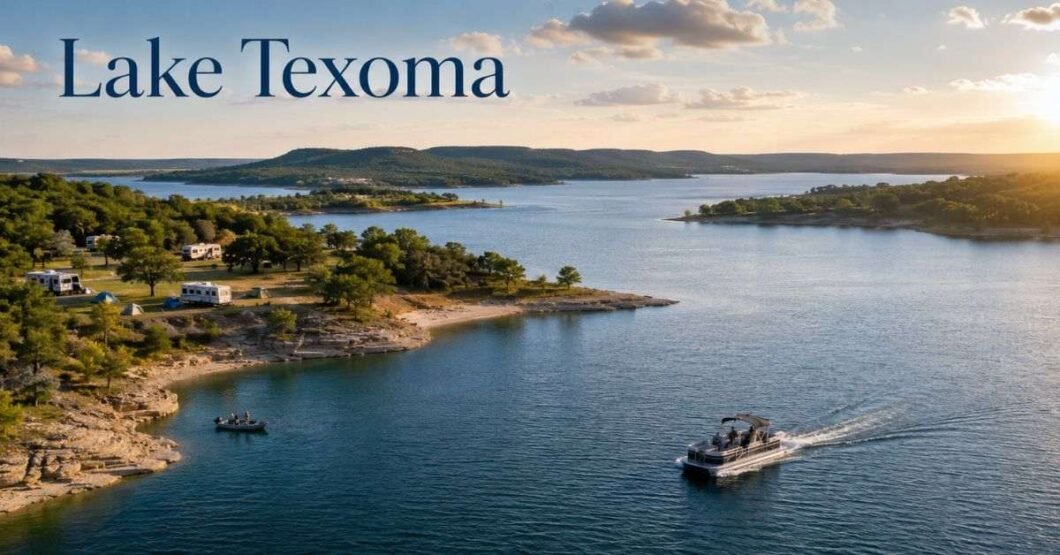
Lake Texoma is a major outdoor destination on the Texas–Oklahoma border. Families, anglers, boaters, hikers, and wildlife watchers can build very different trips around the same water. Created by Denison Dam and completed in 1944, the reservoir supports flood-risk management, water supply, hydropower, and recreation.
The lake covers roughly 88,000 to 89,000 acres, depending on water level and measurement, and official agencies report more than six million annual visitors. Its popularity makes planning important: campgrounds fill, launch conditions change, fishing rules differ from statewide limits, and wind can make open water difficult.
This guide covers activities, lodging, fishing, safety, seasons, and practical planning. It will help you choose the right area for a quiet nature break or an active boating weekend.
Lake Texoma Facts and Why the Reservoir Matters
Lake Texoma formed near the meeting of the Red and Washita river systems. Construction began in 1939, and Denison Dam was completed in 1944. Recreation later joined flood control, water supply, hydropower, and river-flow management as an authorized purpose.
| Quick fact | Useful detail |
| Location | Texas–Oklahoma border |
| Surface area | About 88,000–89,000 acres |
| Shoreline | About 580 miles at conservation pool |
| Annual visitors | More than 6 million |
| Main structure | Denison Dam |
| Main activities | Fishing, boating and camping |
Shoreline totals vary by elevation and measurement method. Current fishery and Corps documents commonly use about 580 miles at conservation pool, so older 1,000-plus-mile claims should not be treated as a fixed current figure. One Corps shoreline document, for example, uses 873 miles, showing how definitions can produce different totals.
Best Things to Do on the Water
Boating is a leading attraction. Open areas support sailing and cruising, while protected arms and coves suit paddling. Marinas and ramps serve both states.
Popular choices include
- Renting a pontoon for a family day
- Booking a guided fishing trip
- Sailing on open water
- Kayaking in quieter coves
- Swimming in managed areas
- Watching sunset from shore or a marina
The recreation network also includes boat rentals, slip rentals, private resorts, concessions, campgrounds, and public shoreline access.
Wind, storms, releases, and changing elevation affect conditions. Check the forecast, lake level, and a current map before launching or driving between distant recreation areas. The Corps publishes current reservoir elevation, storage, inflow, and release data that can help visitors understand changing conditions.
Fishing and the Famous Striped Bass Fishery
Lake Texoma is nationally known for striped bass. Introduced in the 1960s, the species developed an unusual naturally reproducing inland population. Anglers also target black bass, crappie, catfish, and white bass.
Both states currently list a combined daily limit of 10 striped and hybrid striped bass, with only two measuring 20 inches or longer; culling is prohibited. Review the latest rules before fishing because seasons, methods, and limits can change.
A Lake Texoma fishing license can cover both portions of the reservoir but is not valid below Denison Dam. Guides can help beginners locate fish and navigate safely. Anglers fishing downstream must follow the licensing and special regulations that apply to the Lower Red River rather than relying on the lake-only permit.
Camping, Cabins, Resorts and Marinas
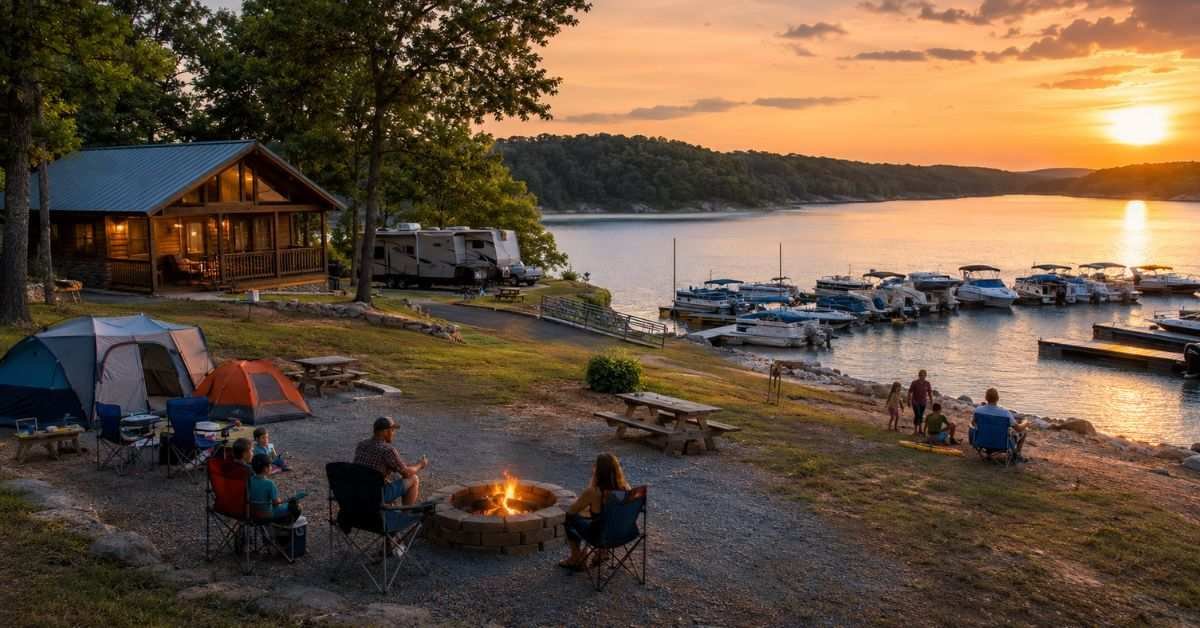 Lodging includes tent sites, RV hookups, cabins, rentals, resorts, and marina stays. Recreation.gov lists 10 Corps campgrounds, with more choices from parks and private operators.
| Trip style | Good lodging choice | Main benefit | Check before booking |
| Family weekend | Developed campground | Facilities and easy access | Shade and bathrooms |
| Fishing trip | Marina cabin | Early launch | Slip or guide time |
| RV holiday | Hookup site | Longer-stay comfort | Site length |
| Quiet break | Smaller campground | Less activity | Limited services |
| Group trip | Group site or rental | Shared space | Parking limits |
Corps options include Juniper Point, Burns Run West, Buncombe Creek, Lakeside, and Preston Bend. Facilities differ significantly. Some offer electric and water hookups, showers, dump stations, docks, beaches, or multiple ramps, while smaller areas may provide only basic services. Confirm the amenities before booking.
State Parks, Trails and Shoreline Scenery
You do not need a boat to enjoy Lake Texoma. Eisenhower State Park on the Texas side offers trails, swimming access, picnicking, bouldering, geocaching, and shoreline views. Lake Texoma State Park provides Oklahoma-side water access and a marina area.
The Cross Timbers Hiking Trail runs about 14 to 15 miles along the southern shore through rocky ledges and blackjack woodland, offering views away from busy marinas.
Carry water, wear suitable footwear, check heat and storms, and share your route. Start early in warm months. Families seeking a shorter outing can use state-park trails, picnic areas, overlooks, and managed beaches instead of attempting the entire Cross Timbers route.
Wildlife Watching and Nature Experiences
Lake Texoma supports rewarding birding and wildlife observation. Hagerman National Wildlife Refuge covers more than 11,000 acres around the Big Mineral Arm and has recorded over 300 bird species. Visitors may see waterfowl, shorebirds, painted buntings, raptors, deer, and river otters.
Drives, trails, picture spots, and activities are all available in the refuge. Pets must remain leashed; motorized boating is seasonal, while non-motorized access is allowed year-round in designated Big Mineral Creek waters.
For better sightings, arrive early, stay quiet, use binoculars, and never feed wildlife. Visitors should remember that refuge rules may be more restrictive than those at nearby campgrounds because wildlife protection is the area’s primary purpose.
Best Time to Visit Lake Texoma
The best season depends on your activity. Spring offers comfortable hiking, active fishing, and wildflowers, although storms can change plans. Summer brings swimming and long boating days but also the strongest heat, crowds, and holiday traffic.
Fall often balances mild weather, fishing, camping, and smaller midweek crowds. Winter is quieter and can suit anglers and birders, but cold fronts may create rough water.
Plan wisely
- Reserve holiday weekends early
- Check park and ramp alerts
- Pack layers in spring and fall
- Prioritize shade and hydration in summer
- Change plans when strong wind develops
Keep plans flexible when conditions worsen. It is always best to check water levels, boat-ramp access, park closures, and campground availability just before the trip rather than many weeks in advance.
Boating Safety and Invasive-Species Rules
The size that makes Lake Texoma exciting also creates risk. Open water can turn rough, underwater hazards shift with lake levels, and cold water can weaken strong swimmers. The U.S. Army Corps of Engineers recommends wearing a properly fitted life jacket rather than storing it for emergencies.
Boaters must also limit the spread of zebra mussels. Texas identifies the reservoir as infested and requires water to be drained before a boat is transported. Oklahoma directs users to clean equipment, drain boats, motors, bilges, live wells, coolers, and ballast, and remove visible plants or mussels.
Before launching, check fuel, lights, weather, life jackets, communications, and vessel condition. Choose a sober driver and closely supervise children around docks, beaches, and boats.
How to Plan a Successful Weekend
A good Lake Texoma itinerary begins with one main goal. Combining distant parks, a long fishing trip, hiking, swimming, and marina dining in two days can create more driving than relaxation.
A practical plan
- Friday: Arrive before dark and review the local map.
- Saturday morning: Fish, paddle, or hike early.
- Saturday afternoon: Rest, swim, or visit a nearby marina.
- Saturday evening: Watch sunset from shore.
- Sunday morning: Visit a refuge or short trail.
- Before leaving: Clean, drain, and dry equipment.
Choose lodging near your priority activity. Confirm ramp access, check-in times, parking, and seasonal services. Download maps before arrival. Pack drinking water, sun protection, insect repellent, a basic first-aid kit, weatherproof clothing, and correctly sized life jackets.
Common Planning Mistakes to Avoid
Most disappointing trips result from weak preparation. The reservoir is large, and services differ between recreation areas.
Avoid these mistakes
- Booking without checking hookups, shade, or bathrooms
- Assuming every beach allows swimming
- Using statewide fishing limits instead of special rules
- Launching a small craft without checking wind
- Transporting a boat without draining it
- Expecting shops beside every campground
- Arriving on a holiday without reservations
- Fishing below the dam with a lake-only license
- Leaving children near water without close supervision
Check official park, fishing, lake-level, and weather information before departure. For camping, use the official reservation listing rather than relying only on third-party descriptions, as operating dates and available facilities may change.
FAQs
Is Lake Texoma in Texas or Oklahoma?
It lies in both states, with parks, campgrounds, marinas, and access points on each side.
Can you swim in Lake Texoma?
Yes. Use designated beaches or suitable managed areas, obey warnings, and stay away from ramps, navigation channels, and unsafe water conditions.
Do anglers need two state licenses?
Not always. A special Lake Texoma license can cover both portions, but it does not apply below Denison Dam.
What is the reservoir best known for?
It is especially famous for striped bass fishing, boating, camping, hiking, and wildlife viewing.
Are campsites open all year?
Availability and services vary. Check official reservation pages and current closures before traveling. Some facilities or amenities may operate seasonally.
Conclusion
Lake Texoma suits family vacations, fishing trips, boating holidays, hiking weekends, and wildlife escapes. Its size, public recreation network, productive fishery, and two-state location make it one of the Southwest’s most flexible outdoor destinations.
Match your base to your goal. Stay near a marina for fishing, choose a developed campground for family convenience, visit a state park for trails and swimming, or explore Hagerman National Wildlife Refuge for birding. Confirm reservations, water levels, regulations, weather, and ramp access before leaving.
Respect the water: wear life jackets, supervise children, follow posted rules, and clean, drain, and dry equipment. Thoughtful planning makes a Lake Texoma trip safer, smoother, and more memorable.